
Plant-based grooming sprays are natural formulations designed to nourish and protect your pet’s coat and skin while avoiding harmful synthetic chemicals. The role of plant-based sprays in grooming goes well beyond freshening up a smelly dog between baths. These products use botanical extracts, including rosemary oil, calendula, jojoba oil, and lavender, to soothe irritation, neutralize odor at the source, and improve coat condition over time. Brands like 4-Legger have built USDA Certified Organic formulas around full ingredient transparency, setting a standard that separates genuinely natural products from marketing-heavy impostors. If you are an eco-conscious pet owner in 2026, understanding what these sprays actually do and how to use them is the first step toward smarter, safer grooming.
What is the role of plant-based sprays in grooming?
Plant-based sprays function as botanical skin tonics for your pet’s coat, delivering active ingredients that work with skin biology rather than against it. The industry term for this category is “botanical grooming mists” or “natural coat sprays,” and the distinction matters because it separates functional formulations from simple water-based refreshers.
The most effective sprays contain a combination of ingredients that each serve a specific purpose:
- Rosemary oil: Stimulates circulation at the follicle level and supports coat thickness. Visible improvements in coat density appear after 2 to 3 months of consistent use. That timeline matters because it sets realistic expectations for pet owners switching from synthetic products.
- Calendula and chamomile hydrosol: Both deliver anti-inflammatory and antimicrobial effects that calm irritated skin. Botanical blends containing these ingredients alongside comfrey and apple cider vinegar actively soothe redness and reduce surface bacteria.
- Jojoba and hemp oil: These lipid-rich oils mirror the skin’s natural sebum composition. Lipid-replenishing oils reduce inflammation and maintain moisture without leaving a greasy residue, which is the exact complaint most pet owners have about cheaper conditioning sprays.
- Lavender and black seed oil: Lavender provides mild antimicrobial action and a calming scent that does not rely on synthetic fragrance. Black seed oil adds antioxidant protection that supports skin barrier repair.
Essential oils in any spray must be properly diluted. Undiluted essential oils applied directly to a pet’s coat can cause contact dermatitis or systemic toxicity, particularly in cats. A well-formulated spray handles this for you, but reading the ingredient list yourself is non-negotiable.
Pro Tip: Look for sprays that list every ingredient by its INCI (International Nomenclature of Cosmetic Ingredients) name. If a label says “fragrance” or “parfum” without further detail, that is a red flag regardless of how natural the branding looks.
How do plant-based sprays work differently from synthetic grooming products?
The core difference between plant-based and synthetic grooming sprays is the mechanism of action. Synthetic sprays typically mask odor with artificial fragrance compounds and use alcohol or silicone to create a temporary shine effect. Plant-based sprays work through biological mechanisms that address the root cause of odor and dryness.

| Feature | Plant-based sprays | Synthetic sprays |
|---|---|---|
| Odor control | Probiotic ferments break down odor compounds | Artificial fragrance masks odor temporarily |
| Skin impact | Replenishes lipids, reduces inflammation | Can strip natural oils, cause dryness |
| Ingredients | Botanical extracts, essential oils, ferments | Parabens, sulfates, petrochemicals, synthetic fragrance |
| Environmental impact | Biodegradable, low chemical waste | Non-biodegradable, higher environmental load |
| Transparency | Full ingredient disclosure expected | Fragrance formulas often undisclosed |
One of the most compelling advances in this category is the use of lactobacillus ferment. An effective natural coat spray functions as a skin tonic by actively breaking down odor-causing compounds rather than covering them up. This is a fundamentally different approach from spraying your dog with something that smells like lavender for 20 minutes before the original odor returns.
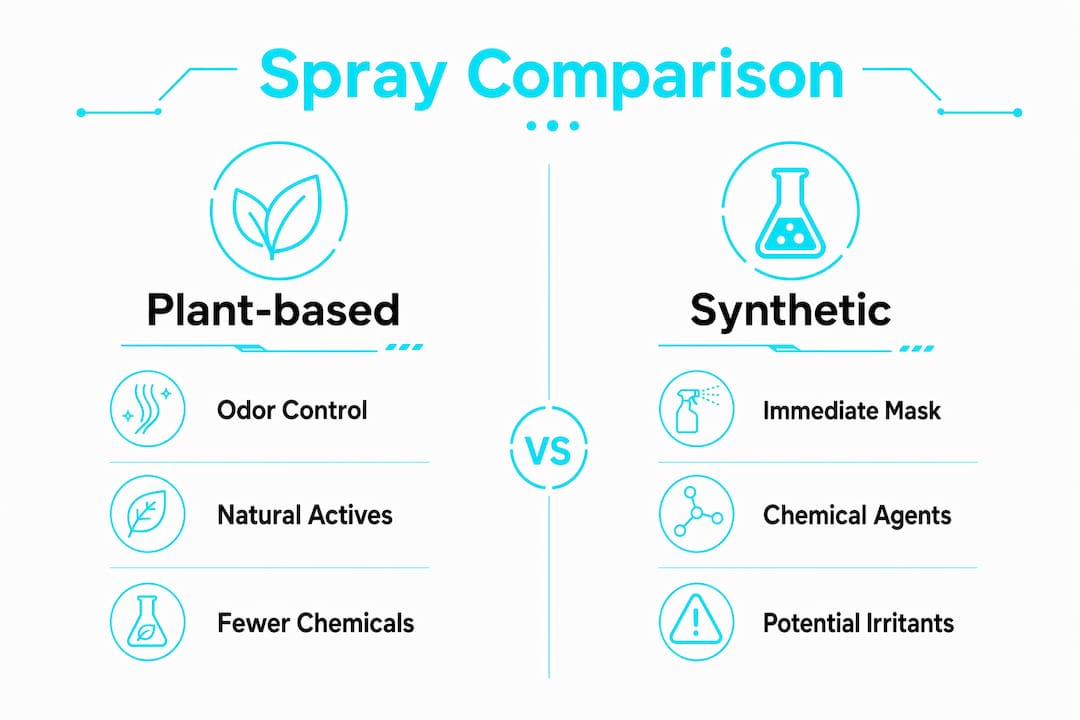
Plant-based grooming products reduce exposure to parabens, sulfates, petroleum derivatives, and synthetic fragrances, all of which can cause dry or irritated skin with repeated use. That is not a minor benefit. Pets with sensitive skin who are groomed regularly are exposed to these compounds far more often than most owners realize.
One myth worth addressing directly: natural sprays do not cure chronic skin conditions. They support skin health and manage surface-level concerns. If your pet has recurring hot spots, persistent odor, or significant hair loss, those require veterinary diagnosis, not a better spray.
Pro Tip: When transitioning from a synthetic spray to a plant-based one, give your pet’s skin two to three weeks to adjust. The absence of silicone-based coating agents may make the coat feel different initially before the botanical ingredients normalize skin oil production.
When and how should you use plant-based grooming sprays?
Using a plant-based spray correctly determines whether you get real results or just a temporarily pleasant-smelling pet. The right approach depends on your goal, your pet’s coat type, and the specific formula you are using.
- Use sprays as a maintenance tool between baths. Deodorizing sprays are designed for temporary freshness and coat maintenance, not as a substitute for bathing or veterinary care. Plan to bathe your pet on a regular schedule and use the spray to extend freshness in between.
- Apply to a slightly damp or dry coat. Mist from 6 to 8 inches away, working section by section. Avoid the eyes, ears, and nose. For dense or double-coated breeds, part the fur and spray closer to the skin to reach the undercoat.
- Massage or brush the product in. A spray brush tool distributes the formula evenly while simultaneously removing loose hair. This step is what separates a quick spritz from a genuinely effective grooming session.
- Spot-test before full application. Apply a small amount to the inner leg or belly area and wait 24 hours. Watch for redness, scratching, or excessive licking. Gradual introduction reduces the risk of adverse reactions, especially for pets with known sensitivities.
- Match the formula to your pet’s specific need. Sprays with jojoba and hemp oil suit dry or itchy coats. Probiotic-based formulas work best for odor management. Calendula-forward sprays address irritated or inflamed skin.
Pro Tip: For pets with sensitive skin, choose a spray with five or fewer active botanical ingredients. Simpler formulas reduce the chance of a reaction and make it easier to identify the cause if one occurs.
What are the safety risks and labeling pitfalls to watch for?
The single biggest consumer trap in this category is the unregulated word “natural.” The “natural” label has no legal definition in pet grooming products, which means ingredients can be chemically processed derivatives of plant sources and still carry that label. A product derived from coconut oil that has been heavily processed into a sulfate is technically “plant-derived” but behaves like a synthetic compound on skin.
Watch for these specific red flags when evaluating any spray:
- “Fragrance” or “parfum” listed as an ingredient. Synthetic fragrances are a leading trigger for itching and allergic reactions in pets. A genuinely natural spray uses named essential oils at disclosed concentrations.
- No full ingredient list. Any brand unwilling to publish a complete ingredient list is hiding something. USDA Certified Organic certification from brands like 4-Legger requires full disclosure and third-party verification.
- High essential oil concentrations without dilution guidance. Concentrated tea tree oil, for example, is toxic to cats even at low levels. Legitimate formulas specify dilution ratios.
- Claims that the spray treats skin conditions. No topical spray, natural or otherwise, replaces veterinary diagnosis for chronic dermatitis, yeast infections, or persistent odor caused by internal health issues.
- Vague “botanical extract” listings. Quality products name the specific plant, the part used (leaf, flower, seed), and the extraction method.
Choosing USDA Certified Organic products where possible gives you the strongest guarantee of ingredient integrity. It is not a perfect system, but it is the most rigorous third-party verification available in this category.
How are plant-based sprays shaping eco-friendly pet grooming in 2026?
The most significant development in natural grooming sprays right now is not a new essential oil. It is the application of plant-derived biopolymer coatings sourced from fruit and algae. Biopolymer coatings enhance shine and combability while protecting against environmental damage, measured through light reflection and combing force tests. For pet owners, this means a plant-based spray can now deliver the same visual result as a silicone-based conditioning spray without the synthetic residue.
| Technology | Source | Benefit |
|---|---|---|
| Lactobacillus ferment | Probiotic fermentation | Breaks down odor compounds at the molecular level |
| Plant biopolymer coating | Fruit and algae extracts | Improves shine and reduces combing friction |
| Rosemary and nutrient extracts | Botanical distillation | Supports coat thickness and reduces shedding |
| Jojoba and hemp oil blend | Cold-pressed plant oils | Replenishes skin lipids without synthetic residue |
Consumer demand is the engine driving these advances. Pet owners are reading labels, asking questions, and choosing brands that publish full ingredient disclosures. That pressure has pushed formulators to replace synthetic shortcuts with functional botanical alternatives that actually perform. The result is a category that is more effective in 2026 than it was even three years ago. Biodegradable formulations also reduce the chemical load entering water systems after grooming, which matters for owners who care about their environmental footprint beyond just what goes on their pet’s coat.
Key takeaways
Plant-based grooming sprays deliver real functional benefits when formulated with transparent, properly diluted botanical ingredients and used as part of a consistent grooming routine.
| Point | Details |
|---|---|
| Botanical ingredients do specific jobs | Rosemary supports coat thickness; jojoba replenishes lipids; probiotics neutralize odor at the source. |
| “Natural” is not a regulated term | Look for USDA Certified Organic labels and full INCI ingredient lists to verify product integrity. |
| Sprays are maintenance tools | Use between baths for freshness and coat support, not as a replacement for bathing or vet care. |
| Biopolymer technology is advancing | Plant-derived coatings from fruit and algae now match synthetic silicones for shine and combability. |
| Application technique matters | Spray on a damp or dry coat, brush in thoroughly, and spot-test before full use on sensitive pets. |
What I have learned from watching pet owners use these products
I have seen a lot of pet owners make the same mistake with plant-based sprays. They buy a well-reviewed product, use it twice, and declare it does not work because their dog still smells like a dog after a week. The issue is almost never the product. It is the expectation.
Botanical sprays work on a timeline that synthetic products do not. A silicone-based spray coats the coat immediately and delivers a visible result in 30 seconds. A jojoba and hemp oil formula starts improving skin barrier function over days and weeks. You are not buying a quick fix. You are buying a maintenance system.
What I find genuinely impressive is how far probiotic-based odor control has come. The lactobacillus ferment approach is not marketing language. It is a real mechanism that breaks down the compounds that cause odor rather than covering them. Paired with a good grooming comb to distribute the formula through the coat, the results are noticeably better than anything fragrance-based I have tested.
My honest advice: treat the ingredient label as the product’s most important feature. A spray with five named botanical ingredients and a clear dilution ratio will outperform a spray with 20 vague “natural extracts” every time. And if your pet has a skin issue that does not resolve with consistent gentle grooming, see a vet before reaching for another bottle.
— Eric
Pair your plant-based spray with the right grooming tools

A great botanical spray works harder when you apply it with the right tool. At Thegittinspotaccessories, the Pet Hair Spray Brush combines a spray mechanism with a brush in a single tool, so you distribute your plant-based formula evenly through the coat while removing loose hair at the same time. No more uneven application or wasted product. For owners who prefer a hands-on approach, the grooming glove lets you massage botanical sprays directly into the coat and skin, which improves absorption and keeps sensitive pets calm during grooming. Both tools are designed to complement eco-friendly grooming routines and make every spritz count.
FAQ
What does a plant-based grooming spray actually do?
A plant-based grooming spray nourishes the coat and skin using botanical extracts like rosemary, calendula, and jojoba oil, while neutralizing odor through probiotic ferments rather than synthetic fragrance. It functions as a maintenance tool for coat health and freshness between baths.
Are plant-based sprays safe for cats?
Most plant-based sprays are formulated for dogs, and some essential oils, including tea tree and eucalyptus, are toxic to cats even at low concentrations. Always verify the formula is species-specific and consult your vet before using any botanical spray on a cat.
How often should I use a natural grooming spray on my pet?
Use a natural grooming spray two to three times per week as a between-bath maintenance tool. Daily use is appropriate for some formulas, but always follow the product’s guidance and watch for any signs of skin sensitivity.
Can a plant-based spray replace regular bathing?
No. Deodorizing sprays are temporary freshness aids and cannot remove dirt, allergens, or the buildup that regular bathing addresses. Use them to extend the time between baths, not to eliminate bathing from your routine.
What should I look for on a plant-based spray ingredient label?
Look for named botanical ingredients listed by their INCI names, a complete ingredient list with no vague “fragrance” entries, and ideally a USDA Certified Organic certification. Avoid any product that lists synthetic fragrance or fails to disclose full ingredient details.