
Pressurized spray grooming is defined as a pet care method that uses controlled water or product pressure to clean, condition, and refresh pet coats more effectively than standard rinsing. The technique relies on pressure-regulated devices, from full bathing systems like the OPAWZ Pet Bathing System to handheld tools like the Pup Jet, to push water or grooming sprays through fur and down to the skin. The result is faster cleaning, better product penetration, and less stress on both you and your pet. This guide explains how the method works, why it outperforms traditional grooming in most situations, and how to use it safely at home.
What is pressurized spray grooming and how does it work?
Pressurized spray grooming works by using pump mechanisms or pressure-regulated shower heads to deliver water or grooming products at a controlled, high-velocity rate. This is fundamentally different from a standard garden hose or spray bottle. A regular spray bottle relies on a single squeeze to release product. A pressurized sprayer, by contrast, builds internal pressure through a specialized pump mechanism, allowing controlled, high-velocity atomization from the first stroke.
The cleaning power behind this approach is measurable. High-pressure bathing systems can deliver cleaning force equivalent to 8kg of hand pressure, breaking down oils and dirt that standard rinsing leaves behind. That level of force, applied through a pressure-regulated head, reaches the skin without requiring you to scrub manually.
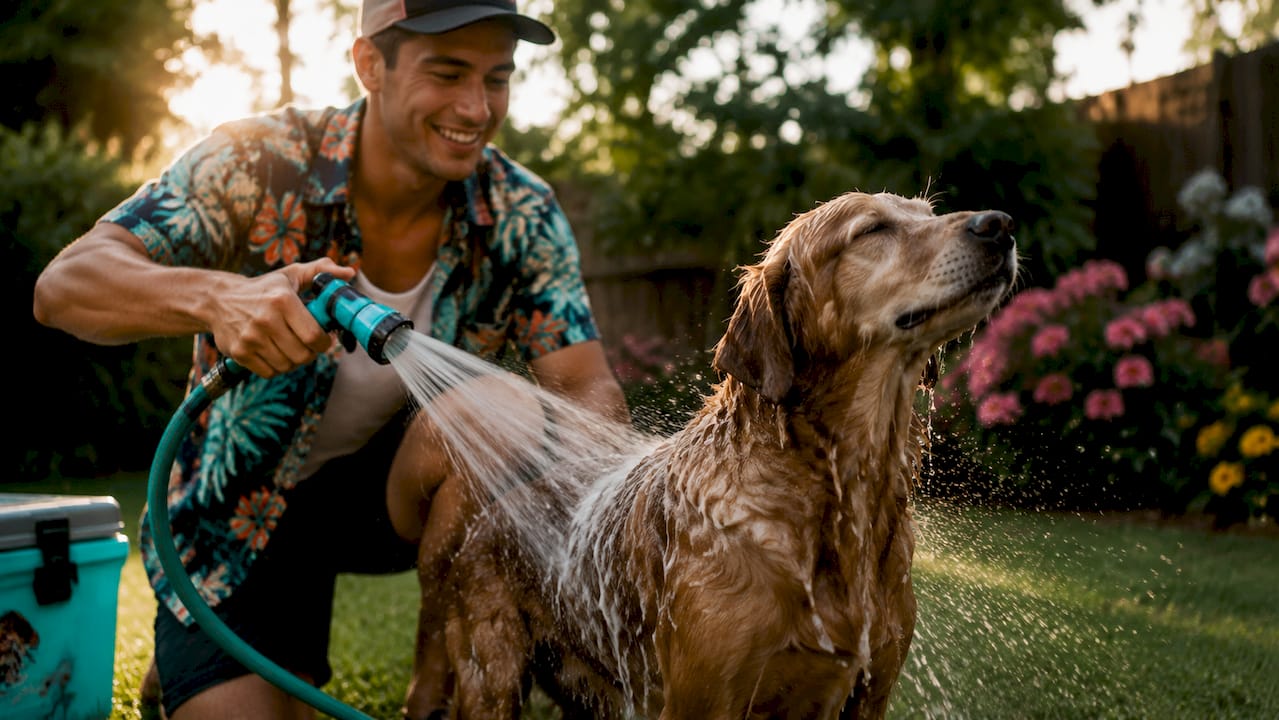
Most devices offer multiple spray patterns, typically ranging from a fine mist to a stronger rinse setting. The mist setting works for most coat types and most of the bath. The stronger rinse is reserved for thick, water-resistant coats or heavy mud. Adjustable spray heads with multiple settings are the standard recommendation from professional groomers because no single pressure level suits every dog.
Pro Tip: Test the spray setting on your own forearm before applying it to your pet. If it stings or feels sharp, drop to a lower setting. Your skin and your dog’s skin respond similarly to spray force.
Here is what separates pressurized devices from conventional sprays:
- Pressure-regulated shower heads deliver consistent force without manual effort
- Handheld pressurized sprayers allow targeted application on specific coat areas
- Full pet bathing systems like OPAWZ combine pressure control with adjustable heads for full-body coverage
- Grooming spray bottles with pump mechanisms provide metered doses of conditioning or detangling products
What are the benefits of pressurized spray grooming?
The benefits of spray grooming with pressurized systems go well beyond getting your pet wet faster. The core advantage is deeper cleaning with less physical effort on your part.
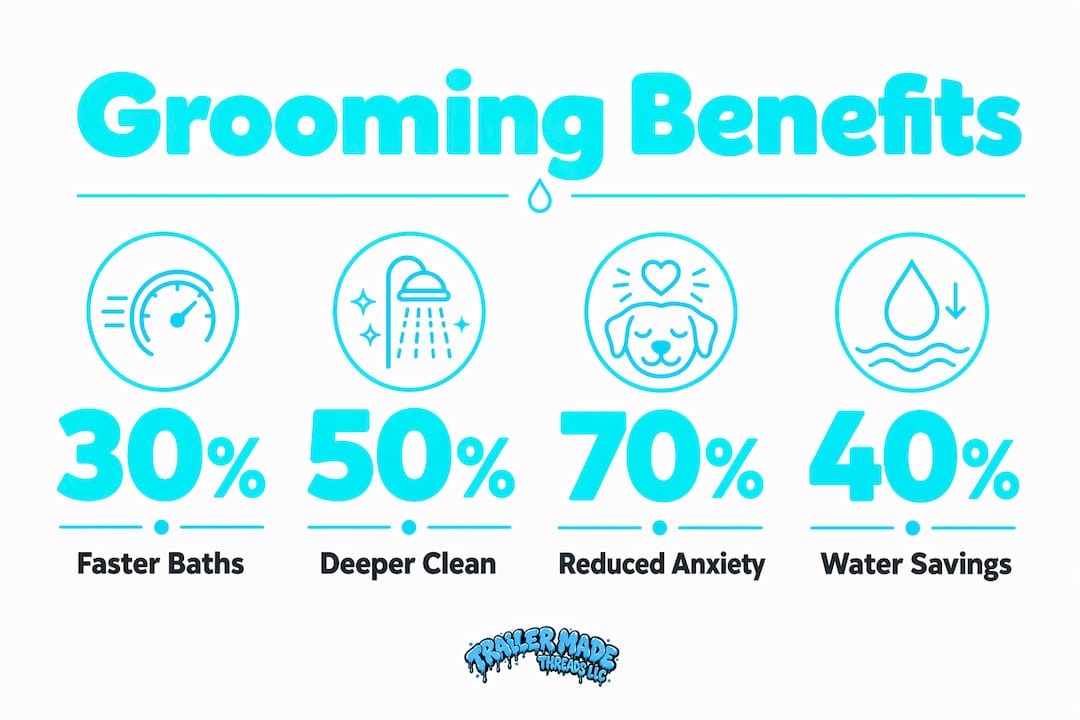
- Reduced grooming time. Pressurized water penetrates dense coats in seconds. Manual rinsing with a cup or low-flow hose can take two to three times as long to saturate the same coat.
- Better product distribution. Grooming sprays applied under pressure reach the skin’s surface, not just the outer coat. This matters for conditioning treatments and medicated shampoos.
- Coat health between baths. Grooming sprays refresh coats by removing surface dirt and controlling odor without overwashing, which protects dogs with dry or sensitive skin. This extends the time between full baths and keeps coats manageable.
- Detangling and hydration. Grooming sprays soften tangles and hydrate the coat, reducing discomfort during brushing and preventing breakage. They also add shine and reduce static.
- Water and product savings. The OPAWZ system reduces shampoo and water consumption by requiring only minimal water levels to operate efficiently. Its adjustable shower head allows precise focus on specific body areas, so you are not soaking areas that do not need attention.
Pressurized pet grooming also reduces pet anxiety when introduced correctly. Adjustable pressure means you can start at the gentlest mist setting and build your pet’s comfort gradually over multiple sessions. A pet that tolerates grooming calmly is easier to maintain, which means more consistent coat care and fewer matting problems over time.
What safety considerations should pet owners know?
Safety is the most important factor when adopting pressurized grooming techniques at home. The pressure that makes these systems effective is also the pressure that can frighten or hurt a pet if misused.
Excessive high pressure can frighten dogs, especially those without dense undercoats. Thin-coated breeds like Greyhounds and Whippets feel spray force more acutely than double-coated breeds like Huskies or Golden Retrievers. Always start at the lowest mist setting and adjust upward only after your pet shows no signs of distress.
Follow these safety rules every session:
- Never spray directly into ears, eyes, or genitals. Use a washcloth in these areas instead. Direct spray in these zones causes irritation and can lead to infection.
- Use sweeping motions. Move the spray head continuously rather than holding it in one spot. Concentrated blasts on a single area increase discomfort and risk.
- Watch for stress signals. Flattened ears, tucked tail, trembling, or attempts to escape are clear signs to stop and reduce pressure.
- Control water temperature. Lukewarm water is the standard. Cold water causes muscle tension. Hot water risks burns.
- Match pressure to coat type. Soft mist for short or thin coats. Moderate rinse for medium coats. Stronger settings only for thick, heavily soiled, or water-resistant coats.
Pro Tip: Pair grooming sessions with positive reinforcement. Treats and calm verbal praise during and after the session build a positive association with the spray, making each future session easier. Consistent positive reinforcement is the single most effective way to reduce grooming anxiety over time.
Pressurized spray vs. traditional grooming: how do they compare?
Understanding the difference between pressurized and traditional grooming helps you decide where each method fits in your routine.
| Factor | Pressurized Spray Grooming | Traditional Manual Grooming |
|---|---|---|
| Cleaning depth | Reaches skin level through fur | Surface level without scrubbing |
| Time required | Faster saturation and rinsing | Slower, more manual effort |
| Pet stress level | Low when introduced gradually | Variable, often higher with cups or hoses |
| Equipment cost | Moderate to high for full systems | Low for basic tools |
| Water efficiency | Higher with regulated systems | Lower, more water wasted |
| Best for | Dense coats, full baths, conditioning | Spot cleaning, sensitive pets, quick touch-ups |
Traditional grooming with a cup, sponge, or low-flow hose works fine for calm pets with short coats and light soiling. The moment you are dealing with a double coat, a muddy dog, or a pet that resists bathing, pressurized grooming pulls ahead on every metric that matters. The time savings alone justify the equipment investment for most owners who bathe their pets more than once a month.
The one area where traditional methods hold an edge is with extremely anxious pets who have never been exposed to spray pressure. For those animals, starting with a damp washcloth and building toward a mist setting over several weeks is the right approach.
How to implement pressurized spray grooming at home
Setting up a pressurized grooming routine at home does not require a professional setup. Most pet owners can get started with a quality handheld pressurized sprayer or a shower head attachment.
- Choose the right device for your pet’s coat. Short-coated breeds do well with a basic pressurized spray bottle or a gentle shower attachment. Long or double-coated breeds benefit from a full bathing system with adjustable pressure settings.
- Prepare your grooming area. Use a non-slip mat in the tub or on a grooming table. Have towels, shampoo, and a pet grooming comb ready before you start. Stopping mid-session to find supplies increases your pet’s anxiety.
- Pre-brush before wetting. Remove loose hair and surface tangles before applying water. Wet mats tighten and become harder to remove.
- Start at the lowest pressure setting. Begin at the neck and shoulders, moving toward the tail. Avoid the face entirely during the pressurized rinse phase.
- Apply shampoo and rinse thoroughly. Work shampoo in by hand after the initial wet-down. Use the pressurized spray to rinse completely. Shampoo residue left in the coat causes skin irritation.
- Finish with a grooming spray. A conditioning or detangling spray applied after the bath adds shine, reduces static, and makes brushing easier. A pet hair spray brush combines the spray and brush steps into one tool, cutting finishing time significantly.
- Clean your equipment after every session. Rinse spray heads and check for mineral buildup monthly. Clogged nozzles reduce pressure consistency and can harbor bacteria.
A grooming glove used during the shampoo phase helps work product into the coat while providing a massage-like sensation that most pets find calming. Pair it with a grooming comb for the finishing step and you have a complete at-home system.
Key takeaways
Pressurized spray grooming outperforms traditional rinsing in cleaning depth, time efficiency, and coat health when used with the correct pressure settings and safety practices.
| Point | Details |
|---|---|
| Core definition | Pressurized spray grooming uses controlled pressure to clean and condition pet coats more effectively than standard rinsing. |
| Safety first | Always start at the lowest mist setting and never spray directly into ears, eyes, or genitals. |
| Coat health benefits | Grooming sprays hydrate, detangle, and refresh coats between full baths, reducing breakage and odor. |
| Equipment matters | Adjustable spray heads with multiple settings are required to match pressure to different coat types. |
| Home implementation | Pre-brush, start low, rinse thoroughly, and finish with a conditioning spray for best results. |
Why i think most pet owners are underusing this method
Pressurized spray grooming is one of those techniques that sounds more complicated than it actually is. Most pet owners I talk to are still using a cup or a low-flow hose to rinse their dogs, then wondering why their pet’s coat looks dull or why bathing takes 45 minutes. The answer is almost always inadequate water penetration.
The technology in systems like OPAWZ is genuinely impressive. Newer grooming systems optimize water and product usage while improving user ergonomics, making pressurized spray grooming more accessible for home use than it was even three years ago. But you do not need a full professional system to see results. A quality shower head attachment with adjustable pressure costs far less and handles most home grooming needs.
The mistake I see most often is owners cranking pressure up too fast. They get impatient, the dog panics, and suddenly grooming becomes a two-person battle every time. The gradual introduction process takes an extra two or three sessions up front, but it pays off for the entire life of the pet. A dog that stands calmly for a bath is a dog you will actually bathe regularly, and regular grooming is what keeps coats healthy.
Microbubble technology, like the kind used in Thera-Clean systems, represents where pressurized pet grooming is heading next. It delivers a chemical-free deep clean down to the skin’s dermis layer, which is particularly valuable for pets with allergies or sensitive skin. That level of technology is still mostly in professional salons, but it will reach the home market within the next few years.
— Eric
The right tools make pressurized grooming work
If you are ready to upgrade your grooming routine, Thegittinspotaccessories has the tools to make it practical and effective. The Pet Hair Spray Brush is the standout product here. It combines a spray mechanism with a brush in one tool, so you apply product and work it through the coat in a single step. No juggling a bottle in one hand and a brush in the other.

Pair it with the Grooming Glove for Pets for the shampoo phase and a pet grooming comb for finishing, and you have a complete home grooming system built around pressurized spray techniques. Thegittinspotaccessories focuses on practical, affordable tools that solve real grooming problems, and these three products cover every step of the process.
FAQ
What is pressurized spray grooming in simple terms?
Pressurized spray grooming is a method that uses controlled water or product pressure to clean and condition pet coats more effectively than standard rinsing. It relies on pressure-regulated devices to push water or grooming sprays through fur and down to the skin.
Is pressurized spray grooming safe for all dogs?
It is safe for most dogs when used correctly, starting at a low mist setting and avoiding sensitive areas like ears, eyes, and genitals. Dogs without dense undercoats, such as Greyhounds, require extra care because they feel spray force more acutely.
How does a pressurized sprayer differ from a regular spray bottle?
A pressurized sprayer builds internal pressure through a pump mechanism, delivering controlled, high-velocity atomization from the first stroke. A regular spray bottle releases product only on the squeeze with no sustained pressure.
Can i use pressurized spray grooming between baths?
Yes. Grooming sprays used between baths remove surface dirt and control odor without overwashing, which protects dogs with dry or sensitive skin and extends the time between full baths.
What equipment do i need to start pressurized spray grooming at home?
A shower head attachment with adjustable pressure settings is enough for most home setups. Adding a pet hair spray brush, a grooming glove, and a detangling spray covers the full grooming session from rinse to finish.