
Brushing your pet immediately after bathing is one of the most common grooming mistakes owners make, and it causes real harm. Wet hair is significantly more fragile than dry hair, making post-bath brushing a direct path to breakage, tightened mats, and painful skin infections. Professional groomers in 2026 are consistent on this point: the correct sequence is brush first, bathe second, then brush again only after the coat is fully dry. Understanding why brush after bathing matters so much starts with knowing what water actually does to your pet’s fur at the fiber level.
Why is brushing wet pet hair harmful?
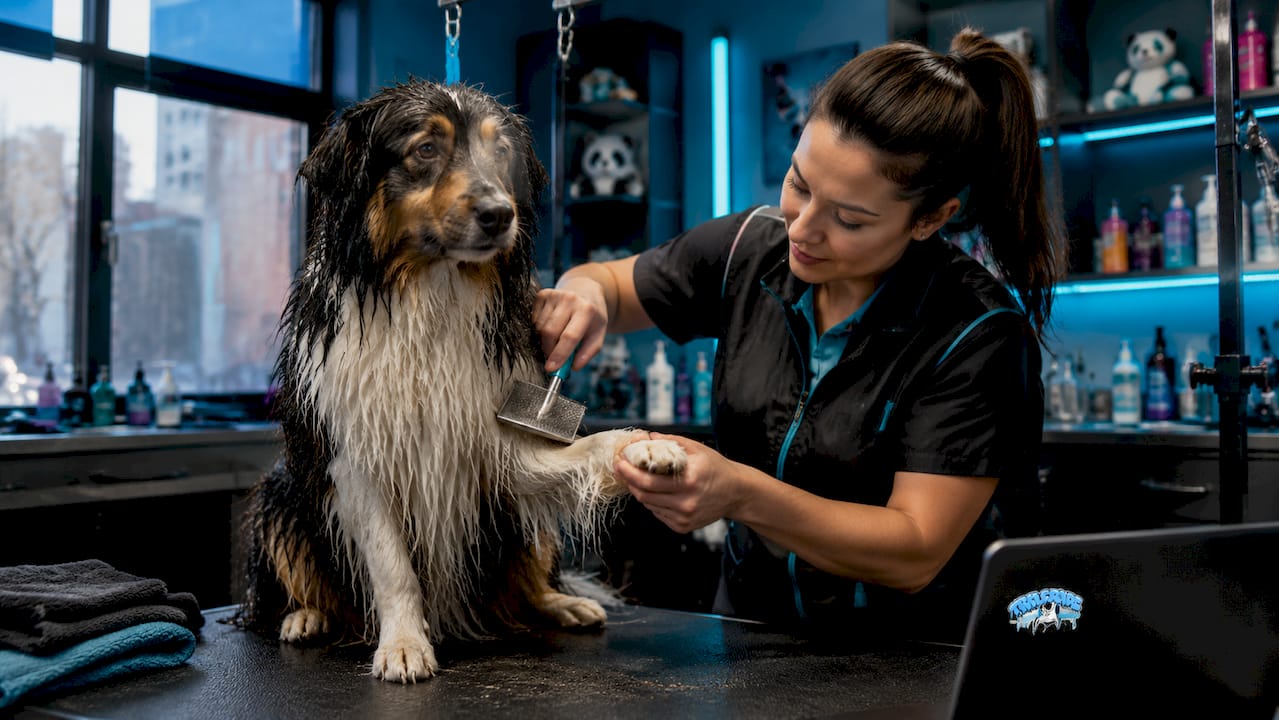
Wet pet fur is structurally vulnerable in ways most owners never see. When hair gets wet, the cuticle scales along each strand lift and open. Those raised scales lock together like Velcro, causing individual fibers to tangle and bind against each other. As the coat dries, those interlocked scales tighten further, pulling the mat closer to the skin and making it far more painful to remove.
The problem gets worse with existing tangles. Water exposure in matted coats creates a binding of hair fibers, oils, shampoo residue, and dirt that hardens as it dries. Think of it like papier-mâché. What started as a loose tangle becomes a dense, rigid knot pressed against your pet’s skin. Bathing matted hair traps moisture, tightens knots, and creates a breeding ground for bacteria and yeast. The result is hot spots: red, raw, infected patches of skin that require veterinary treatment.
Grooming professionals describe this as the “cement effect.” Shampoo, dirt, and moisture combine inside a mat and harden on drying, making the tangle nearly impossible to brush out without cutting.
Brushing a wet coat also causes direct mechanical damage. The hair shaft stretches under tension when wet and snaps rather than bends. This means you are not just worsening mats. You are breaking the coat itself, leaving it thin, dull, and prone to further tangling. Wet hair’s mechanical fragility requires complete drying before any combing or brushing begins. This is not a preference. It is a structural fact about how hair behaves under water stress.
What is the correct grooming sequence after a pet bath?
The right approach to post-bath grooming follows a clear order, and skipping any step creates problems down the line. Here is the sequence professional groomers recommend:
- Brush before the bath. Pre-bath brushing removes loose undercoat and tangles that would worsen when exposed to water and shampoo. This single step prevents most matting problems before they start.
- Inspect the coat for mats. Run your fingers through the fur and identify any knots before water touches the coat. Mats found at this stage can be worked out gently or treated with a detangler spray before bathing.
- Bathe with a gentle shampoo. Use a pet-specific formula suited to your animal’s coat type. Rinse thoroughly to avoid shampoo residue, which contributes to the cement effect described above.
- Dry the coat completely. Use a pet-safe blow dryer on a low heat setting, a microfiber towel, or both. Do not rush this step. The coat must be fully dry, not just damp, before any brush touches it.
- Brush the dry coat. Start at the ends and work toward the skin in short, gentle strokes. Use a grooming comb for fine detangling and a slicker brush for general coat smoothing.
If you accidentally bathed a pet with existing mats, do not panic. Leave-in conditioners and silicone-based detangling sprays lubricate the fibers and make gentle detangling easier once the coat is dry. Apply the product to the dry mat, let it sit for a few minutes, then work through the tangle with a wide-tooth comb from the tip inward.
One important clarification: de-matting shampoos do not dissolve mats. Shampoos only lubricate but cannot break down the fiber structure of an established knot. Mechanical action, meaning careful combing or safe cutting, is the only way to truly remove a mat.
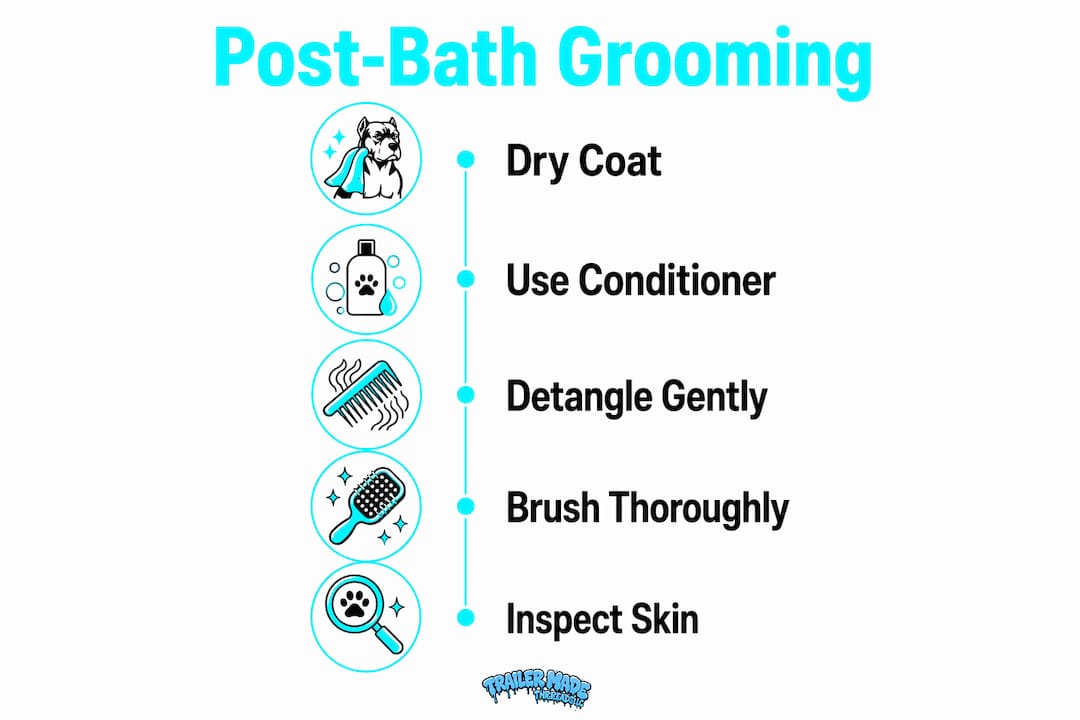
Pro Tip: Always dry the coat in sections if your pet has a thick double coat. Leaving the undercoat damp while the outer layer feels dry is a common cause of hidden mats and skin infections.
How does pet fur differ from human hair when wet?
Many pet owners apply human hair care logic to their animals, and that comparison does not hold up. The differences in fur anatomy make wet brushing far more damaging for pets than for people.
| Feature | Human Hair | Pet Fur |
|---|---|---|
| Cuticle scale lift when wet | Moderate | Significantly higher |
| Fiber interlocking risk | Low to moderate | High, especially in double coats |
| Tolerance for wet brushing | Manageable with detangler | Causes breakage and mat tightening |
| Recommended grooming order | Brush wet with care | Always brush dry first |
| Risk of skin infection from trapped moisture | Low | High, especially in dense undercoats |
Animal guard hair cuticles raise more when wet than human hair cuticles do. This means the Velcro effect is far more pronounced in pets. A person can run a wide-tooth comb through wet hair with minimal damage if they use a conditioner. The same action on a wet dog or cat coat pulls fibers into tighter knots and snaps the hair shaft.
Human hair care recommendations mislead new pet owners who assume what works for their own shower routine applies to their animals. Pets need a stricter dry-first approach, full stop. Coat type adds another layer of complexity. Long-haired breeds like Golden Retrievers, Maine Coon cats, and Shih Tzus face far higher mat risk than short-haired breeds, but no coat type is immune to the damage caused by brushing while wet.
What are the best brushing tools and techniques after a bath?
Choosing the right tool matters as much as choosing the right timing. The wrong brush on a freshly dried coat can still cause breakage or discomfort, especially on sensitive skin.
- Grooming gloves are the gentlest starting point for post-bath grooming. A grooming glove for pets lets you work through the coat with your hands, which gives you direct feedback on tangles before they become a problem. Pets also tend to tolerate gloves better than traditional brushes.
- Wide-tooth combs work best for initial detangling on long or thick coats. Start at the ends of the fur and move toward the skin in short strokes. Never drag a comb through a tangle from root to tip.
- Slicker brushes are ideal for the final smoothing pass once all tangles are out. They distribute natural oils through the coat and give it a clean, finished appearance.
- Spray brushes combine a light misting function with bristles, making them useful for adding a small amount of moisture to a dry, static-prone coat before the final brush-through. The Pet Hair Spray Brush from Thegittinspotaccessories combines both functions in one tool, which cuts down on the number of products you need to manage.
- Leave-in conditioners and detanglers applied to a dry coat before brushing reduce friction and make the process faster and more comfortable for your pet. These products work best on dry fur for detangling results, not on wet coats fresh from the bath.
Brushing frequency depends on coat type. Long-haired breeds benefit from daily brushing to prevent mat buildup between baths. Short-haired breeds can go several days between sessions. The goal is to keep the coat free of tangles so that bath day never starts with a matted coat.
Pro Tip: Brush in the direction of hair growth for the main pass, then finish with a light brush against the grain to lift the coat and check for any hidden tangles near the skin.
For natural coat health between baths, proper dog grooming nutrition also plays a role. A coat that is nourished from the inside requires less mechanical work on the outside.
Key takeaways
Brushing pets after bathing is safe and beneficial only when the coat is completely dry, and the correct sequence is brush before the bath, then brush again after full drying.
| Point | Details |
|---|---|
| Never brush a wet coat | Wet fur breaks and mats tighten; always wait until the coat is fully dry. |
| Brush before bathing | Pre-bath brushing removes tangles that water and shampoo would worsen. |
| Dry thoroughly before grooming | Use a pet-safe dryer or microfiber towel; damp undercoats hide dangerous mats. |
| Use the right tools | Grooming gloves, wide-tooth combs, and spray brushes reduce breakage and discomfort. |
| Shampoo does not fix mats | Only mechanical combing or safe cutting removes established knots. |
What i’ve learned from watching owners get this wrong
Most grooming mistakes I see come from good intentions applied in the wrong order. An owner bathes their dog, the dog smells clean, and they reach for the brush while the fur is still damp because it seems like the logical next step. Within minutes, what was a manageable tangle becomes a tight, painful mat pressed against the skin.
The part that surprises people is how fast it happens. The Velcro effect kicks in as the coat starts to dry, not after it is fully dry. That window between damp and dry is when the most damage occurs. Owners who rush the drying step and start brushing too soon are often the ones calling a groomer to cut out mats that could have been avoided.
The fix is not complicated, but it does require patience. Dry the coat completely. Use your hands or a grooming glove to feel for tangles before the brush comes out. Work from the ends toward the skin. These three habits eliminate most post-bath grooming problems before they start.
Consistency matters more than perfection. A pet that gets brushed regularly before and after every bath will have a coat that is far easier to manage than one that only sees a brush occasionally. The coat health you see on the outside reflects the routine you maintain on the inside.
— Eric
The right tools make post-bath grooming easier
Getting the timing right is half the battle. Having the right tools makes the other half much simpler.

Thegittinspotaccessories carries a range of grooming tools designed specifically for post-bath coat care. The Grooming Glove for Pets is a top pick for owners who want a gentle, hands-on approach that pets actually enjoy. Pair it with the Pet Grooming Comb for thorough detangling on longer coats. Both tools are built to reduce breakage, keep your pet comfortable, and make the post-bath routine faster and more effective. Quality tools pay for themselves in fewer vet visits and a healthier coat year-round.
FAQ
Why should you brush pets before bathing, not after?
Brushing before bathing removes tangles and loose undercoat that water and shampoo would tighten into mats. Brushing after is safe only once the coat is completely dry.
Can you use a detangling spray on a wet pet coat?
Leave-in conditioners and detangling sprays work best applied to a dry coat after bathing. Using them on wet fur does not prevent the Velcro effect caused by raised cuticle scales.
How long should you wait to brush after bathing a pet?
Wait until the coat is fully dry, not just surface dry. For thick or double-coated breeds, this can take 30–60 minutes with a pet-safe dryer or longer with air drying alone.
Does de-matting shampoo remove mats?
No. De-matting shampoos lubricate hair fibers but cannot dissolve established mats. Only mechanical combing or safe cutting removes a true mat from a pet’s coat.
How often should you brush a pet between baths?
Long-haired breeds benefit from daily brushing to prevent mat buildup. Short-haired breeds typically need brushing every few days to manage shedding and keep the coat clean.