
Pet hair accumulates fast because of its microscopic structure, your home’s airflow patterns, and cleaning habits that unknowingly spread it further. Unlike human hair, pet hair is 33% thinner and jagged at the surface, which makes it cling to nearly every fabric it touches. The result is a cycle that most cleaning routines cannot fully break. Understanding the real causes behind rapid hair buildup is the first step toward actually getting ahead of it.
Why pet hair accumulates fast: biology and shedding cycles
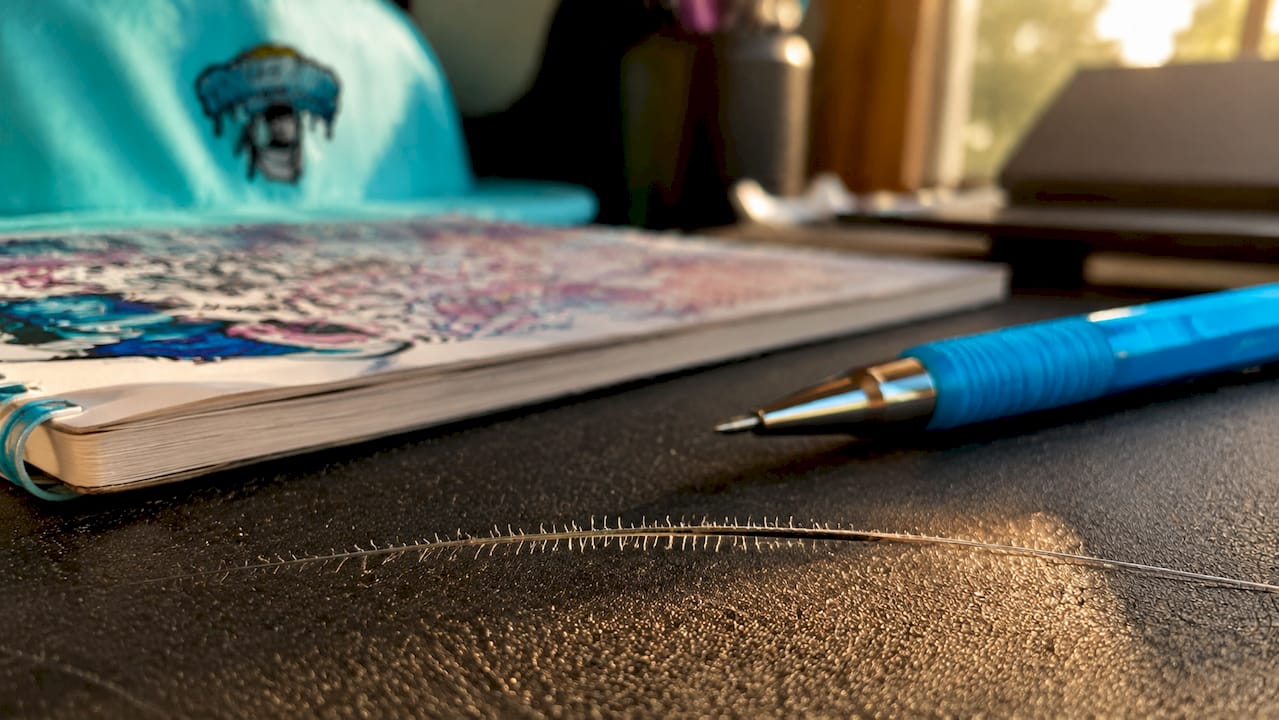
Pet hair’s physical structure is the root cause of its stubborn behavior. Jagged scales on each strand create friction against fabric fibers, locking hair in place rather than letting it brush off cleanly. Particles range from 2.5–10 microns in size, small enough to stay airborne for hours after any disturbance.
Shedding itself follows a biological pattern called the hair growth cycle, which includes growth, transition, rest, and release phases. Dogs and cats shed continuously, but the rate spikes during seasonal changes, particularly in spring and fall when coat turnover is highest. Breed matters too. Double-coated breeds like Siberian Huskies, Golden Retrievers, and German Shepherds shed far more than single-coated breeds like Poodles or Malteses.
Indoor pets shed more consistently year-round than outdoor pets. Artificial lighting and climate-controlled temperatures disrupt the natural seasonal cues that would otherwise regulate shedding. Your indoor dog or cat essentially lives in a permanent mild season, which keeps the hair growth cycle running at a steady, uninterrupted pace.
Health also plays a direct role. Nutritional deficiencies, stress, allergies, and hormonal imbalances all increase shedding beyond normal levels. The American Animal Hospital Association notes that allergens from saliva and dander attach to shed hair, meaning more hair means more allergen spread throughout your home.
- Double-coated breeds shed in heavy seasonal “blows” that can last weeks
- Short-haired cats like Domestic Shorthairs shed just as much as long-haired breeds, but the hair is harder to spot until it accumulates
- Stress shedding can occur after vet visits, travel, or household changes
- Poor diet lacking omega-3 fatty acids accelerates coat breakdown and loose hair
Pro Tip: Brush your pet outdoors or in a contained space like a bathroom. Capturing loose hair at the source prevents it from ever reaching your furniture or floors.
How does your home environment make it worse?
Your home’s physical environment actively accelerates pet hair buildup. HVAC systems are one of the biggest hidden contributors. Airflow transports pet hair into low-airflow zones like behind furniture, inside vents, and under baseboards, where it collects undisturbed for months. Those zones then act as reservoirs, continuously releasing hair back into the air whenever the system kicks on.
Professional duct cleaning every 3–5 years is the standard recommendation for homes with shedding pets. Without it, your HVAC system recirculates hair throughout every room, undoing your cleaning efforts within hours.
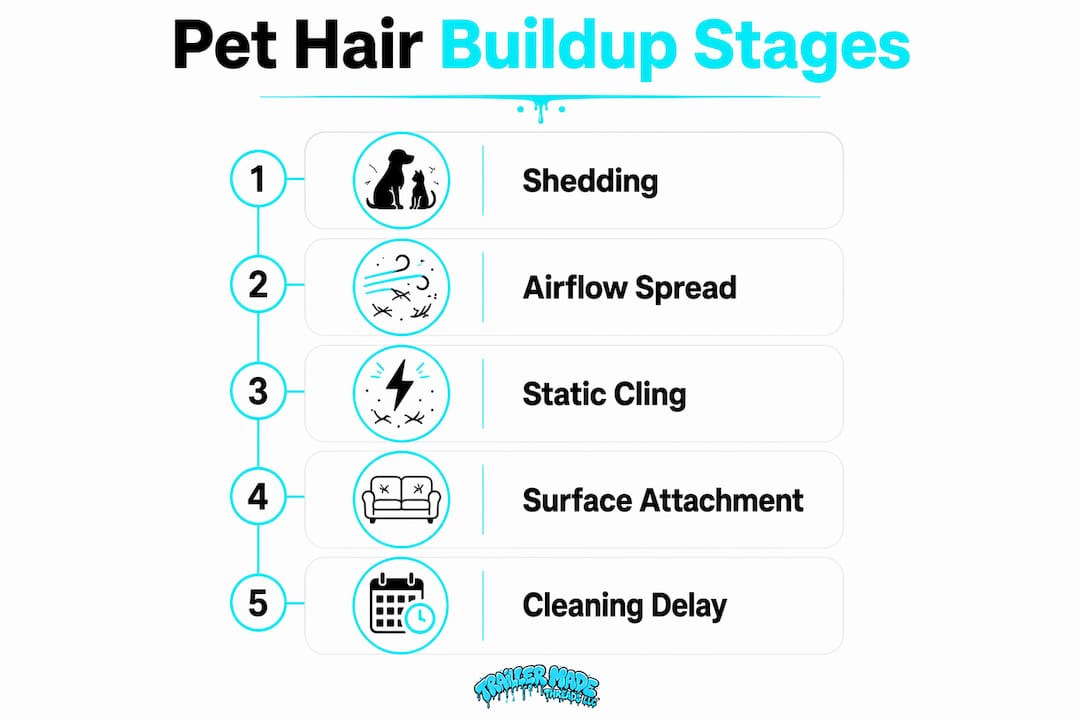
Static electricity is the second major environmental factor. Climate-controlled indoor air tends to be dry, and dry air generates static. That static charge pulls pet hair deep into synthetic carpet fibers and upholstery weaves, far beyond what standard vacuum suction can reach. Rubber brushes break the electrostatic bond more effectively than bristle brushes or suction alone.
| Surface Type | Hair Cling Level | Best Removal Method |
|---|---|---|
| Synthetic carpet | Very high | Rubber brush, then vacuum |
| Velvet or microfiber upholstery | High | Lint roller, rubber glove |
| Hardwood or tile floors | Low | Electrostatic mop or damp cloth |
| Cotton bedding | Medium | Dryer with wool balls, then wash |
| Leather or faux leather | Low | Damp cloth wipe |
Temperature and humidity also shift hair behavior. Low humidity increases static cling. High humidity causes hair to clump, which sounds helpful but actually makes it harder to vacuum from carpet because clumps embed deeper into fibers.
Pro Tip: Run a humidifier in rooms where your pet spends the most time. Keeping indoor humidity between 40–50% reduces static charge and makes hair easier to collect with a standard vacuum.
Is weekly vacuuming actually enough?
Vacuuming once a week is not enough for homes with high-shedding pets. Hair embeds into upholstery seams, pet bed folds, and carpet backing between sessions, building up faster than a weekly pass can remove. By day three or four, hair levels in a home with a shedding dog or cat are already back to where they started.
Laundry is another underestimated problem. Washing clothes without pre-treating them redistributes pet hair throughout the entire load. Hair loosens from one garment and redeposits on others, so everything comes out of the wash still covered. Lint rolling before washing, then using 3–6 wool dryer balls per load, captures hair during the drying cycle instead of spreading it.
Most pet owners also focus cleaning on open floor space and miss the actual hot spots. Furniture seams, under cushions, along baseboards, and inside pet crates collect the most hair. These zones need targeted attention, not just a general pass with a vacuum.
Here is the order of cleaning that actually controls buildup:
- Brush your pet before cleaning your home, so loose hair is removed at the source
- Lint roll or rubber-brush upholstery and pet beds before vacuuming floors
- Vacuum floors and baseboards, including under furniture
- Wipe hard surfaces with a damp or electrostatic cloth to capture fine particles
- Pre-treat laundry with a lint roller, then dry with wool dryer balls before washing
This sequence matters because skipping step one means your pet continues shedding onto surfaces you just cleaned. Skipping step two means the vacuum redistributes hair from furniture onto the floor you are about to clean.
Practical ways to reduce pet hair buildup at home
Reducing pet hair accumulation starts with the source: your pet’s coat. Regular brushing, ideally three to five times per week for high-shedding breeds, removes loose hair before it ever reaches your furniture. Learning common brushing mistakes like brushing too infrequently or using the wrong tool for your pet’s coat type makes a measurable difference in how much hair ends up on your couch.
Grooming tools designed for specific coat types outperform general-purpose brushes. Deshedding tools like the Furminator reach the undercoat where loose hair originates. Grooming gloves let you remove hair during normal petting, which many pets tolerate better than a brush session. Using a refillable spray grooming brush dampens the coat slightly during brushing, which helps loose hair stick to the brush instead of floating into the air.
- Change HVAC filters monthly in homes with shedding pets, rather than the standard 90-day schedule
- Use furniture covers made from tightly woven fabric that resists hair penetration, and wash them weekly
- Place washable pet beds in your pet’s favorite spots to concentrate shedding in one easy-to-clean location
- Vacuum upholstery with a pet-specific attachment that uses rubber nubs to lift embedded hair
- Wipe your pet’s paws and coat with a damp cloth after outdoor time to remove loose hair before they settle indoors
Diet is one of the most overlooked pet shedding solutions. Omega-3 fatty acid supplements, or a food that includes fish oil, strengthen the coat and reduce excessive shedding from the inside out. A healthier coat sheds on its natural cycle rather than continuously dropping loose strands.
Pro Tip: Place a rubber-backed mat at every entry point your pet uses. It catches loose hair from their coat as they walk in, reducing how much gets tracked through the rest of your home.
Key takeaways
Pet hair accumulates fast because of biology, environment, and cleaning gaps working together. Addressing all three is the only way to get lasting control.
| Point | Details |
|---|---|
| Hair structure drives clinginess | Pet hair is 33% thinner than human hair with jagged scales that lock into fabric fibers. |
| HVAC systems spread hair silently | Airflow deposits hair in vents and low-movement zones, requiring filter changes and duct cleaning. |
| Static electricity embeds hair deeply | Dry indoor air creates static that pulls hair into carpet and upholstery beyond vacuum reach. |
| Weekly vacuuming is not enough | High-shedding homes need targeted daily or every-other-day cleaning of hot spots and seams. |
| Grooming at the source is the top fix | Brushing your pet three to five times per week removes loose hair before it reaches your home surfaces. |
What i have learned after years of watching pet hair win
I used to think pet hair was a cleaning problem. Vacuum more, lint roll everything, done. What I eventually realized is that it is actually a physics problem. Hair that is airborne for hours after a single disturbance, that embeds itself electrostatically into carpet fibers, that your HVAC system is actively spreading into every corner of your home. No cleaning schedule fixes that unless you also fix the conditions that make hair behave that way.
The single biggest shift I made was treating grooming as home maintenance, not pet care. Brushing your dog or cat is not just about their coat looking nice. It is the most direct way to intercept hair before it becomes your problem. Every stroke of a brush outside or over a trash can is hair that never lands on your couch.
The second thing most people underestimate is the laundry cycle. You wash your clothes to get the hair off, and the machine just moves it around. Using wool dryer balls and lint rolling before washing changed that completely for me.
Realistic expectations matter here too. If you have a German Shepherd or a Maine Coon, your home will never be hair-free. The goal is manageable, not perfect. Adjusting your environment, your grooming routine, and your cleaning sequence gets you to a place where hair is no longer the first thing guests notice.
— Eric
The right tools make pet hair management actually work
If you have adjusted your routine but still feel like you are losing the battle, the tools you are using may be the missing piece. Thegittinspotaccessories carries products built specifically for this problem, not general-purpose cleaning gear repurposed for pet owners.

The Pet Hair Spray Brush combines a light misting feature with a grooming brush, so loose hair clings to the brush instead of floating into the air during grooming sessions. It is one of the most practical tools for pet owners who want to reduce airborne hair at the source. For floors and hard surfaces, the Pet Hair Removal Broom Mop uses a design that captures hair rather than pushing it around. Pair both with a consistent grooming routine and you will notice the difference within a week.
FAQ
Why does pet hair seem to multiply overnight?
Pet hair appears to multiply because disturbing it, by walking, sitting, or running your HVAC system, sends it airborne, where it resettles in new locations. Hair particles range from 2.5–10 microns and can stay suspended for hours before landing again.
What causes some pets to shed more than others?
Breed, coat type, health, and indoor living conditions all affect shedding rates. Double-coated breeds and indoor pets living under artificial light shed more consistently because their natural seasonal shedding cues are disrupted.
Does grooming actually reduce pet hair in the home?
Yes. Regular brushing removes loose hair before it sheds naturally onto surfaces. Brushing three to five times per week for high-shedding breeds is one of the most effective pet shedding solutions available.
Why does vacuuming not seem to remove all the pet hair?
Static electricity pulls hair deep into carpet and upholstery fibers, where suction alone cannot reach it. Using a rubber brush before vacuuming breaks the electrostatic bond and makes removal far more effective.
Can pet hair affect indoor air quality?
Yes. The American Animal Hospital Association confirms that allergens from pet saliva and dander attach to shed hair. Managing hair accumulation directly reduces the allergen load circulating through your home’s air.